
Dev Journal #2: Cutscenes & Comic Books
Bringing Our Story to Life Through Comic Books
https://store.steampowered.com/news/app/3973160/view/683018108282077332 Stardock Forums
Dev Journal #2: Cutscenes & Comic Books
Bringing Our Story to Life Through Comic Books
When we started developing Crimson Freedom, we had a science-fiction universe, a cast of characters, and a story we wanted to tell. We also had a problem: telling that story without getting in the way of the gameplay. Our answer was animated comics.
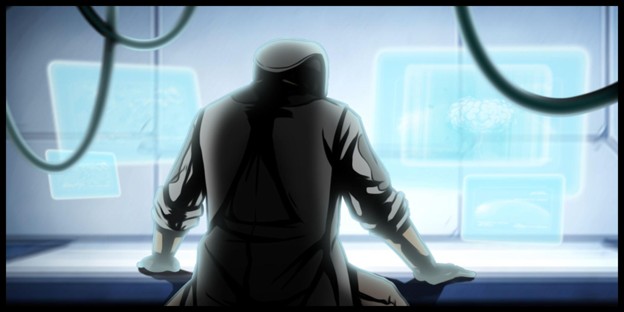
Keeping the Action on the Battlefield
One of our earliest decisions was to separate gameplay from storytelling. Players should fight the battles themselves, not watch them in cinematics. Explosions and large-scale confrontations belong on the battlefield, where the player is in control.
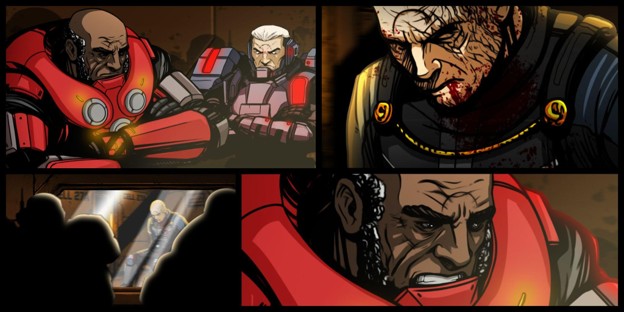
The cutscenes cover what happens between missions: conversations, political intrigue, and character moments that gameplay can't communicate on its own. That led to one firm rule. A cutscene never interrupts a mission. We didn't want to take control away from players mid-fight, and we didn't want gameplay pacing to dictate our dramatic scenes.
Where the Style Comes From
Crimson Freedom draws on the classic real-time strategy games we grew up with, and we wanted the storytelling to come from the same era. Our references were Western comic books and the Saturday morning cartoons of the '80s and '90s, brought to life with modern animation.
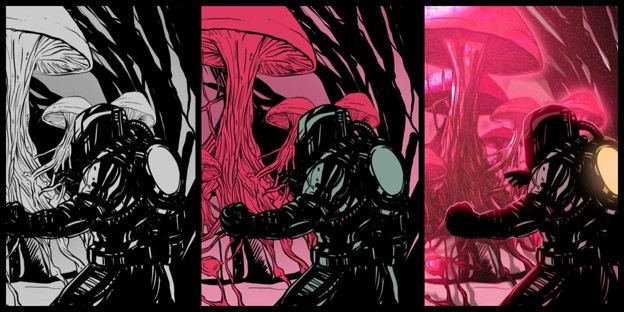
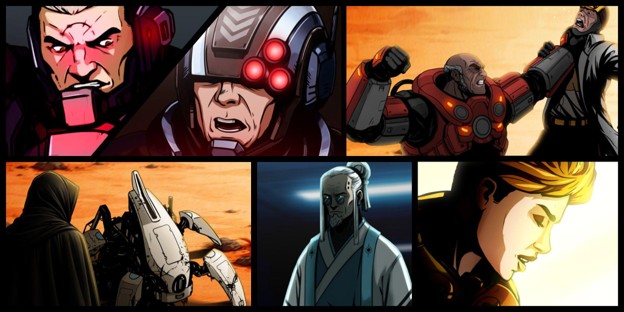
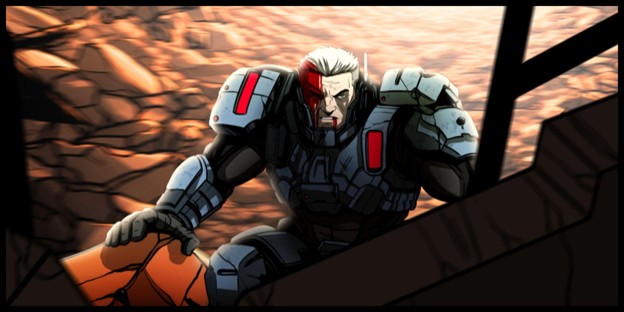
Every illustration is original artwork, and each shot is composed like a panel from a comic book. Comics also suited the kind of storytelling we needed. A single well-chosen image can carry a complex idea or a strong emotion, and that's exactly what short scenes between missions have to do.
Making Every Frame Count
The cutscenes focus on characters. Close-ups, facial expressions, and recurring shots help make Kenneth, Finch, and Valeria recognizable. As in traditional comics, we push expressions further than realism would: anger gets sharper, fear gets more visible, emotions are exaggerated.
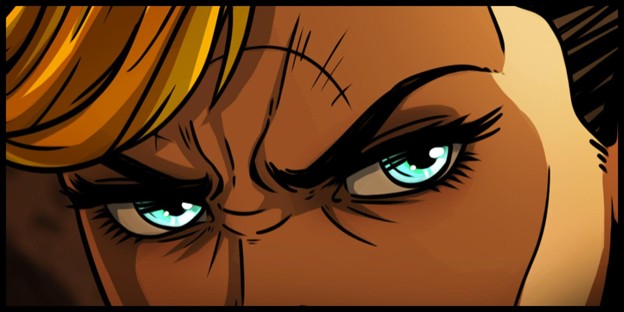
Pacing follows a principle from comic-book storytelling: what matters isn't how many drawings you have, but how much each one communicates.
Take an enormous explosion. The most powerful way to show it might be to show nothing at all. Imagine turning a comic-book page expecting chaos and finding two completely white pages. The next page slowly reveals the aftermath as the light fades and the world comes back into focus.
We're adapting ideas like this to animation through sharp transitions, well-timed cuts, and composition that gives single moments more weight.
Easy to Follow, Worth Exploring
The cutscenes are only one part of the story. Mission briefings, in-mission conversations, and the gameplay itself all carry it forward.
If you're mainly here for the strategy, the cutscenes tell you what's coming next or what just happened, and that's enough to follow the main events. If you want to dig deeper, there's more to find: character backstories, history, and the wider world of Crimson Freedom, waiting for anyone that pays close attention.